


-

Add: HeBei ShengShi HongBang Cellulose Technology CO.,LTD.
-

Email
13180486930@163.com -

CONTACT US
+86 13180486930

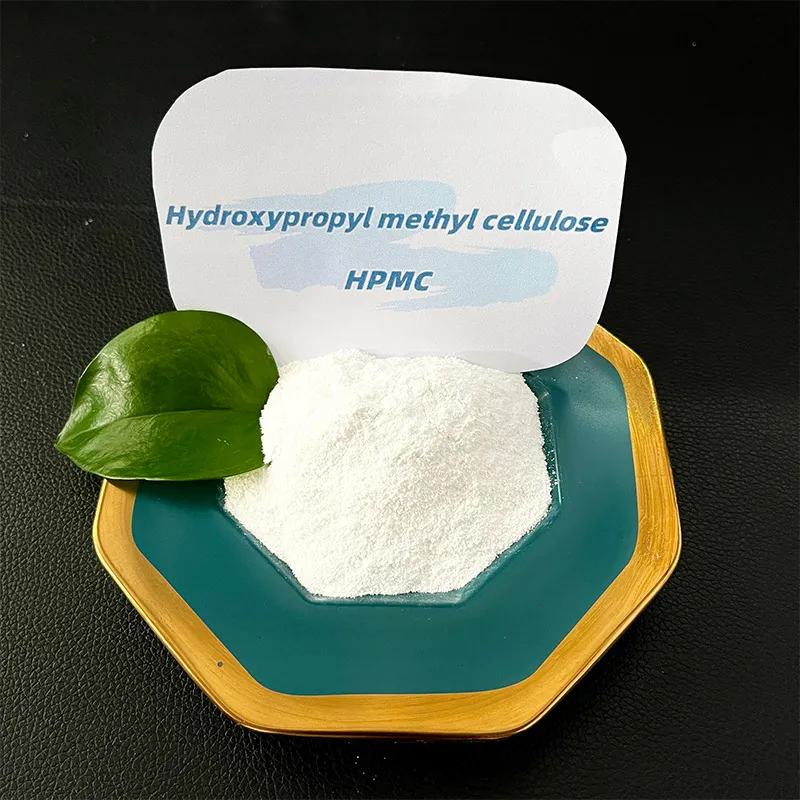
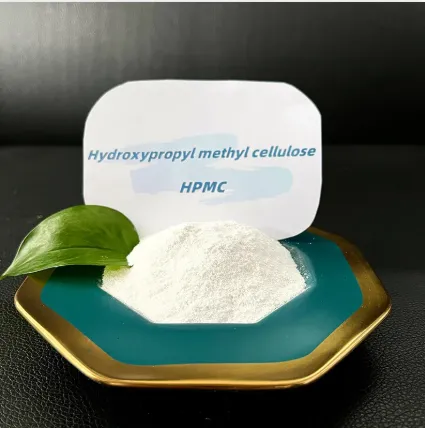


What I’m Seeing in Hydroxypropyl Methyl Cellulose Right Now If you work in dry-mix mortars, pharma tablets, or even detergent pods, you’ve probably bumped into Hydroxypropyl Methyl Cellulose HPMC more than once. It’s a non-ionic cellulose ether—yes, derived from natural cellulose—and it keeps getting more attention as the “quiet” performance enhancer in countless formulations. Honestly, adoption is accelerating across construction chemicals and high-viscosity personal care because of supply stability and cost-to-value. Many customers say the workability gains are immediate; I tend to agree. Origin and who’s behind it From HeBei ShengShi HongBang Cellulose Technology CO., LTD (Room 1904, Building B, Wanda Office Building, JiaoYu Road, Xinji City, Hebei Province). I’ve toured similar facilities; the process is rigorous and surprisingly clean. Their pitch is consistent rheology, tight particle size control, and fast redispersion in cement-alkali environments. How it’s made (short version, no fluff) Materials: refined cotton, NaOH (alkalization), methyl chloride (MC), propylene oxide (PO), purified water. Method flow: alkalization → etherification (MC+PO) → neutralization → washing to remove salts → drying → milling → sieving → packaging. QA/testing: viscosity (Brookfield, 2% w/w, 20°C), methoxyl/hydroxypropyl content, moisture, pH, ash, sieve residue, gel temperature. Service life: ≈24 months in dry, sealed bags; avoid >30°C and humidity. Real-world use may vary. Industries: tile adhesive, EIFS/ETICS, gypsum putty, self-leveling; tablets (binder), ophthalmics, toothpaste; shampoos, detergents, coatings. Product specifications (typical) Parameter Spec (≈) Viscosity (2% w/w, 20°C) 400–200,000 mPa·s (multiple grades) Methoxyl (DS) 19–24% Hydroxypropyl (MS) 4–12% Moisture ≤5% pH (1% sol.) 6.0–8.5 Gel temperature 60–75°C Sieve residue (100 mesh) ≤1% Bulk density 0.30–0.50 g/cm³ Note: measured by Brookfield LV, spindle/time per internal SOP; actual plant results vary with salts and mixing energy. Why formulators pick it Water retention and open time in cement systems (EN 12004 tile standards). Anti-sag, better trowelability; smoother edges on putties. Tablet binding/film formation meeting USP/Ph. Eur. monographs. Electrolyte tolerance; stable viscosity in laundry detergents—surprisingly robust. Vendor snapshot (what buyers compare) Vendor Certs Strength Viscosity Range MOQ HeBei ShengShi HongBang ISO 9001; REACH prereg. Construction focus; cost-value 400–200,000 ≈1 MT Dow (METHOCEL) ISO, GMP sites Global supply, pharma grades Low to ultra-high Varies Ashland (Benecel) ISO, EXCiPACT Tablets, coatings uniformity Wide Varies Applications and quick data Tile adhesive: +0.2–0.35% Hydroxypropyl Methyl Cellulose HPMC → open time +10–15 min; slip ≤0.5 mm (EN 12004). Self-leveling: 0.05–0.1% improves edge cohesion; flow per ASTM C1437: 115–130% with stable ring. Gypsum putty: 0.2–0.3% → sag drop by ≈30%, smoother knife feel (shop-floor feedback). Tablets: 2–5% binder; disintegration tuned via viscosity grade (USP-NF compliant grades available). Customization and QC For Hydroxypropyl Methyl Cellulose HPMC , you can specify viscosity windows, substitution ratios, surface treatment for fast wetting, and targeted gel temp. Batch COAs usually list Brookfield data, moisture, mesh residue, and heavy metals when applicable. Incoming QC on your side? I’d validate viscosity at your ionic strength, not just DI water. Mini case studies Eastern EU tile factory: switched to 60,000 mPa·s grade; open time +12 min; consumer complaints on “grab” fell 40% in 2 months. Generic IR tablet line: replaced PVP with Hydroxypropyl Methyl Cellulose HPMC binder at 3%; friability down from 0.9% to 0.3% while keeping disintegration at 9–12 min. Standards and compliance Typical references: EN 12004 (tile adhesives), ASTM C1437 (flow), ISO 9001 for QMS, USP/Ph. Eur. Hypromellose monographs, plus REACH where required. To be honest, don’t skip pilot mixes; salts and fillers can nudge viscosity more than you expect. Citations ASTM C1437 – Standard Test Method for Flow of Hydraulic Cement Mortar. EN 12004 – Adhesives for tiles: Requirements, evaluation of conformity. USP–NF Monograph: Hypromellose (Hydroxypropyl Methylcellulose). ISO 9001:2015 – Quality Management Systems Requirements.
- 40000tons

Production
- 20+years

Experience
- 5000+㎡

Acreage

-
Hydroxypropyl methylcellulose (HPMC) and carboxymethyl cellulose (CMC) are two of the most widely used cellulose derivatives in various industries, including pharmaceuticals, food production, and construction materials. Understanding the distinctions between these two compounds can significantly enhance product formulation and application efficiency . HPMC and CMC share a common cellulose backbone, but the chemical modifications and substituted groups differentiate their properties and functionalities. Hydroxypropyl methylcellulose is modified by the addition of methoxy and hydroxypropoxy groups. These chemical modifications impart valuable properties like thermal gelation, water retention, and film-forming capabilities, making HPMC ideal for use in tile adhesives, pharmaceuticals, and food products. On the other hand, carboxymethyl cellulose is primarily characterized by the carboxymethyl groups attached to the cellulose backbone. This gives CMC its high viscosity, excellent water solubility, and emulsifying properties. Such characteristics make CMC particularly useful as a thickener and stabilizer in sauces, dressings, and other culinary products as well as in personal care items like toothpaste and lotions. In terms of application in the pharmaceutical industry, HPMC is favored due to its high thermal gelation properties and its ability to function as a release rate controller in oral medicines. HPMC’s safety and inertness make it an excellent choice for use in sustained-release tablet formulations. This ability to effectively modulate drug release profiles significantly contributes to patient compliance and therapeutic efficacy. Furthermore, HPMC’s film-forming capabilities are essential in the coating of tablets, imparting stability and aesthetics while ensuring functionality. Conversely, CMC is instrumental in the formulation of liquid pharmaceuticals where thickening and stability are required. Its high viscosity makes it an ideal candidate for suspensions and liquid syrups, where even distribution and homogeneity of the active ingredient are crucial. difference between hpmc and cmc In the food industry, HPMC proves to be an invaluable tool where thermal gelation and fat reduction are desired without compromising texture. For example, in low-fat ice creams, HPMC stabilizes the emulsion and provides a creamy texture. CMC, however, is often chosen for baked goods to enhance mouthfeel and improve moisture retention, vital for shelf-life extension. The environmental impact and biodegradability of these cellulose derivatives also play a critical role in their selection for specific applications. Both HPMC and CMC are biodegradable and non-toxic, which align with the growing trend toward environmentally friendly and sustainable products. However, the production processes and raw material sourcing can vary, which may influence the ecological footprint of each product. Professionals in construction also leverage the unique strengths of these compounds. HPMC's ability to retain water and provide smooth application makes it ideal for cement and gypsum-based products, improving workability and performance under various environmental conditions. Meanwhile, CMC’s excellent rheological properties are appreciated in the suspension and stability of paints and coatings. In summary, while HPMC and CMC are both cellulose-derived, their unique chemical structures provide distinct advantages across different sectors. HPMC excels in applications requiring gelation, film formation, and controlled release, whereas CMC is preferred for its viscosity, solubility, and stabilizing properties. Selecting between HPMC and CMC should be guided by specific product requirements, industry standards, and desired characteristics, ensuring that each application achieves optimal performance. Such informed decisions not only enhance product quality but also build trust and credibility, aligning with the modern consumer's demand for transparency and reliability.
-
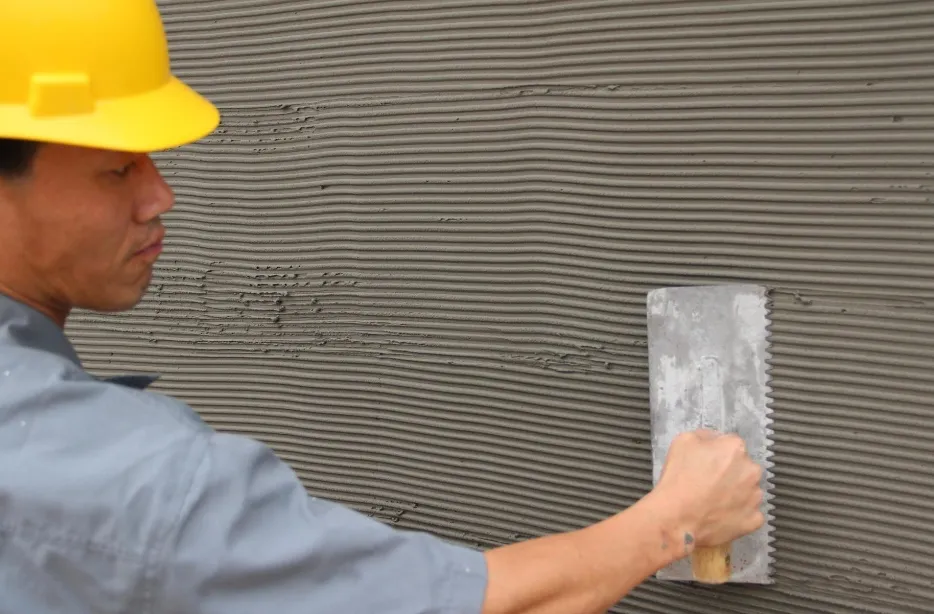
Is HPMC Soluble in Water? Hydroxypropyl Methylcellulose (HPMC) is a widely used cellulose ether that has garnered significant attention in various industries, particularly in pharmaceuticals, food, and construction materials. One of the pivotal characteristics of HPMC is its solubility in water, which plays a crucial role in its applications. Understanding whether HPMC is soluble in water leads us to explore its properties, uses, and the implications of its solubility. HPMC is a modified form of cellulose, which is derived from wood pulp or plant fibers. The modification involves the substitution of hydroxyl groups on the cellulose backbone with hydroxypropyl and methoxy groups. This alteration not only enhances its solubility in water but also provides HPMC with unique properties such as thickening, binding, and film-forming capabilities. Due to these characteristics, HPMC has become a preferred choice in numerous formulations. Is HPMC Soluble in Water? The solubility of HPMC is crucial in the pharmaceutical industry, where it is often used as a controlled-release agent in tablets and capsules. It ensures that the active pharmaceutical ingredients are released in a controlled manner, enhancing the efficacy of the medication. Additionally, HPMC is utilized as a binder and film-forming agent, contributing to the stability and integrity of the dosage forms. The ability of HPMC to form gels upon dissolution in water is particularly beneficial in creating sustained-release formulations, which improve patient compliance and therapeutic outcomes. is hpmc soluble in water In the food industry, HPMC serves as a food additive and is commonly found in products such as sauces, salad dressings, and baked goods. Its water solubility allows it to act as a thickener and stabilizer, enhancing the texture and mouthfeel of food products. Because it is non-toxic and has a good safety profile, HPMC is deemed suitable for various food applications. The construction industry also benefits from HPMC, where it is used as an additive in cement, mortar, and plaster. When mixed with water, it helps improve the workability and adhesion properties of these materials. The solubility of HPMC in water allows it to disperse evenly within the mixture, contributing to a smoother application and better overall performance. Despite its numerous advantages, it is important to respect the recommended usage levels and conditions when incorporating HPMC in various formulations. The concentration can significantly impact the viscosity and performance, and excessive use may lead to undesired effects, such as excessive thickening or changes in texture. In conclusion, HPMC is indeed soluble in water, which is a key characteristic that makes it invaluable across multiple industries. Its solubility underpins its functionality in pharmaceuticals, foods, and construction materials, allowing for enhanced performance and consumer satisfaction. As research continues and more applications for HPMC are discovered, its role as a versatile and effective component in various formulations is likely to grow, driven by its unique properties and wide-ranging benefits. Understanding the solubility and behavior of HPMC in water not only helps in optimizing its applications but also highlights its role in modern product development and innovation.
advantages
-

200000 Viscosities
Excellent product
We can produce pure products up to 200,000 viscosities
-

40000 tons
High yield
We don’t stop production all year round, and the annual output can reach 40,000 tons
-

24 hours
Quality service
We provide 24-hours online reception service, welcome to consult at any time
———— Inquiry Form
Schedule A services

- hpmc_selulosa
Oct . 25, 2025
The detergent industry is experiencing a subtle yet significant revolution, and at the forefront of -
 melt_blown_polypropylene_fiber
Oct . 25, 2025
The Significance of Nylon Fiber in Modern Textiles Nylon fiber, first introduced in the 1930s, revol - gentamicin_with_hpmc_eye_or_ear_drops
Oct . 25, 2025
Methyl hydroxyethyl cellulose (MHEC) is a versatile polymer that is widely used across various indus


